A Smart Bear: On Analysis
-
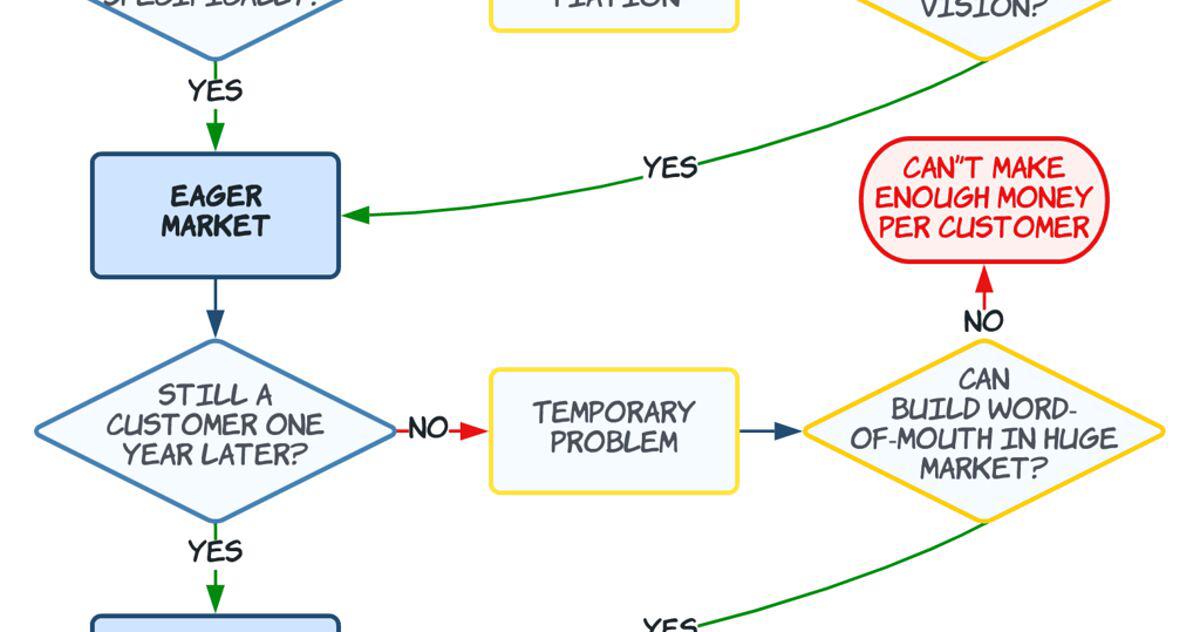 Excuse me, is there a problem?Many startups fail despite identifying a real problem and building a product that solves that problem. This explains why, so you can avoid their fate. —April 2023 | 6,800 words.
 -
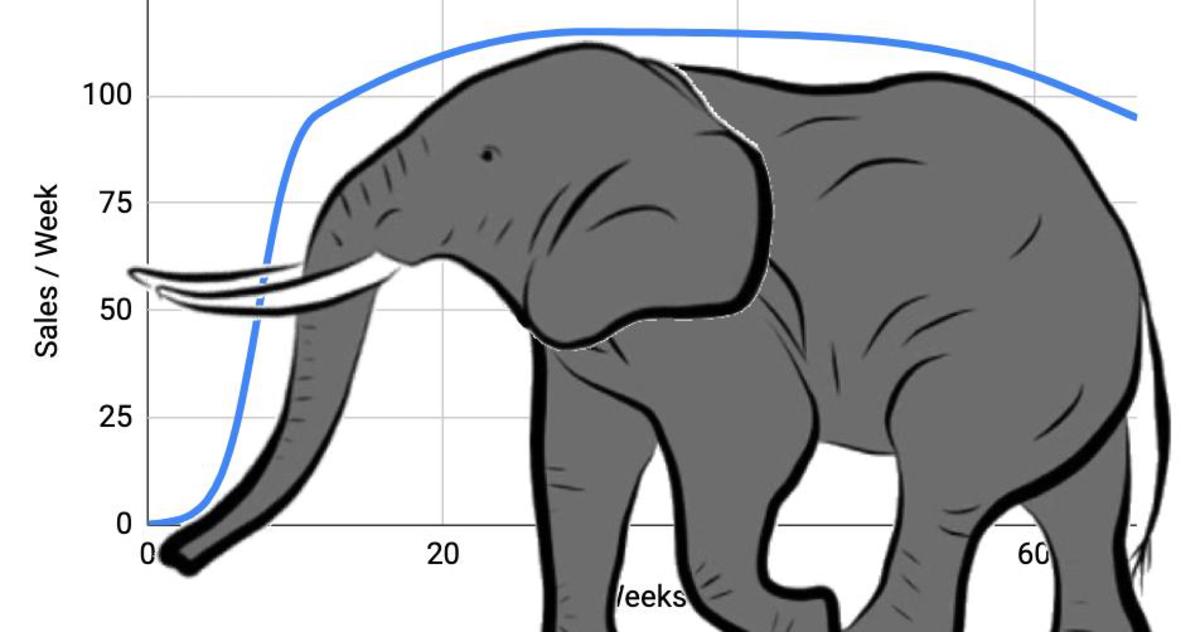 The Elephant in the room: The myth of exponential hypergrowthEven Facebook and Slack did not grow “exponentially,” as frequently described. Here is the correct model that you can use to understand and affect growth. —March 2022 | 5,600 words.
 -
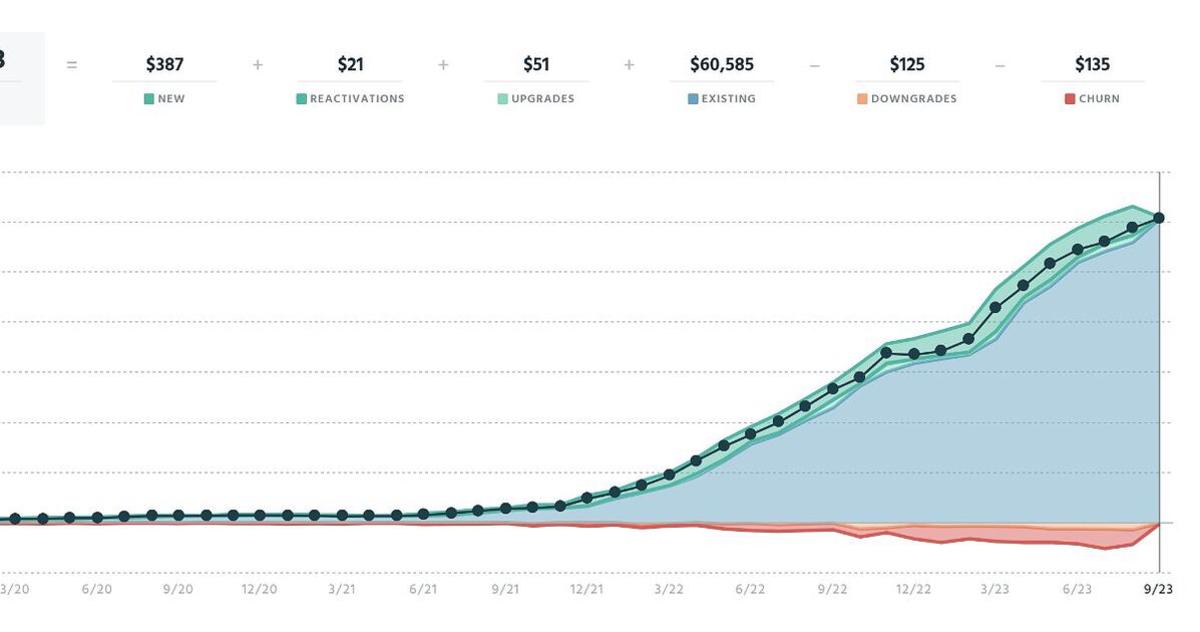 Product/Market Fit (PMF): Experience & DataCompanies that achieve Product/Market Fit – both self-funded and VC-funded – exhibit the same prototypical metrics curves and subjective experiences. —November 2023 | 2,400 words.
 -
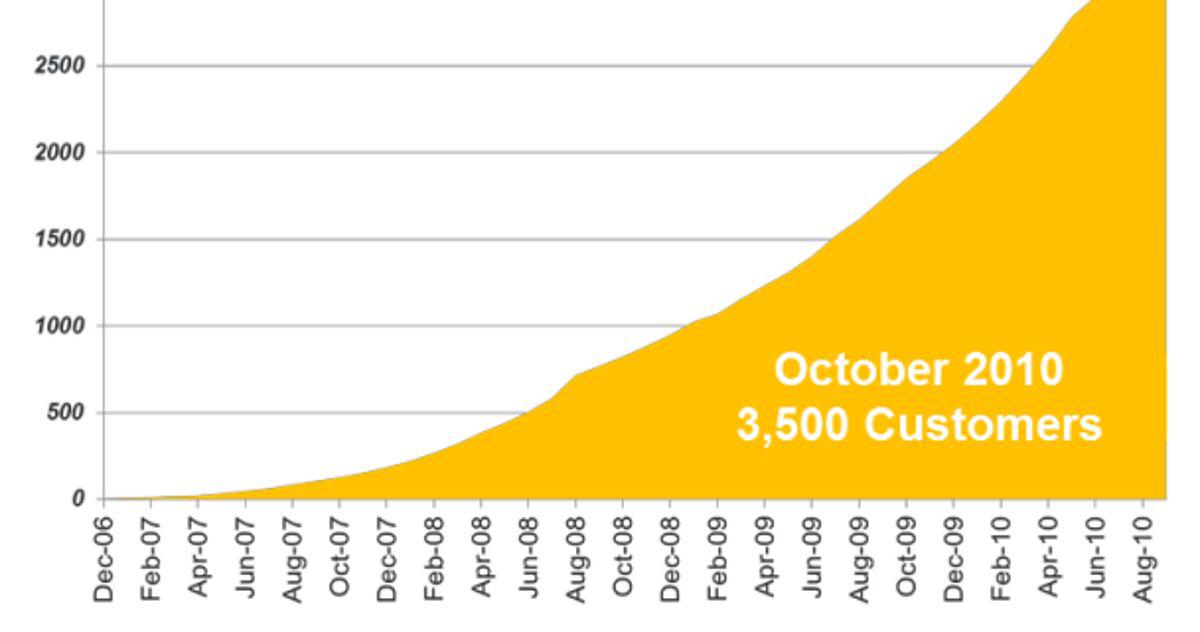 It's a torturous chaos until it isn’tEven at wildly successful startups, the first few years are gut-wrenching, uncertain, on the brink of collapse, where pessimism is realism, and yet optimism is required. —April 2024 | 1,200 words.
 -
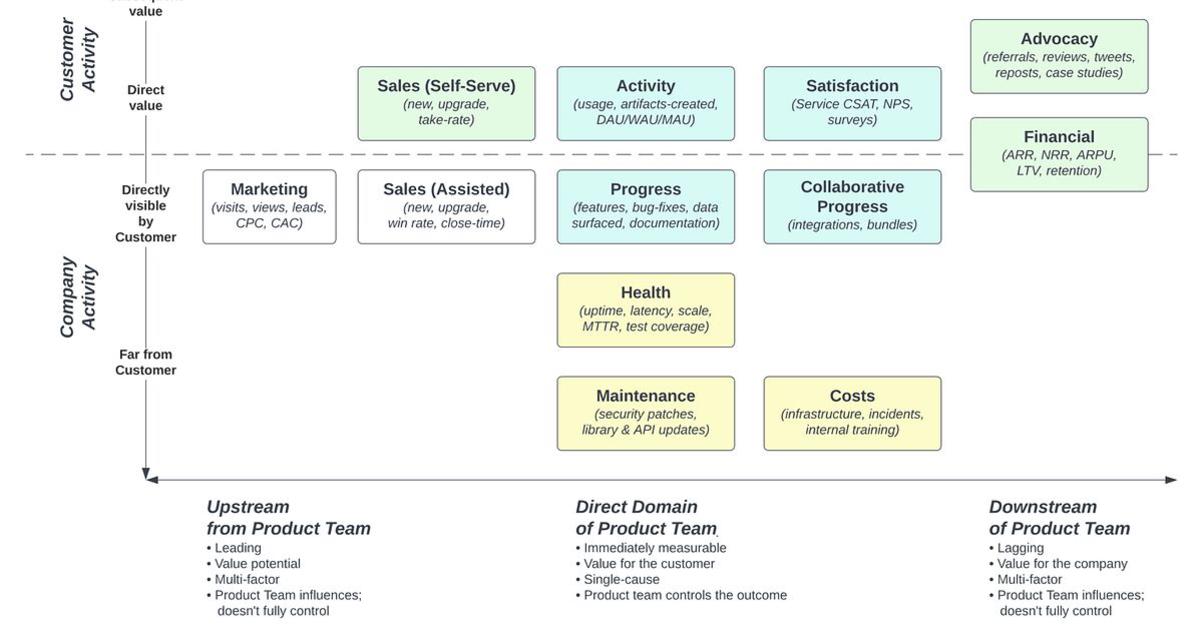 Selecting the right product metrics (KPIs)A novel system for selecting and presenting product KPIs, satisfying not only the product team, but also stakeholders, executives, and customers. —July 2023 | 2,600 words.
 -
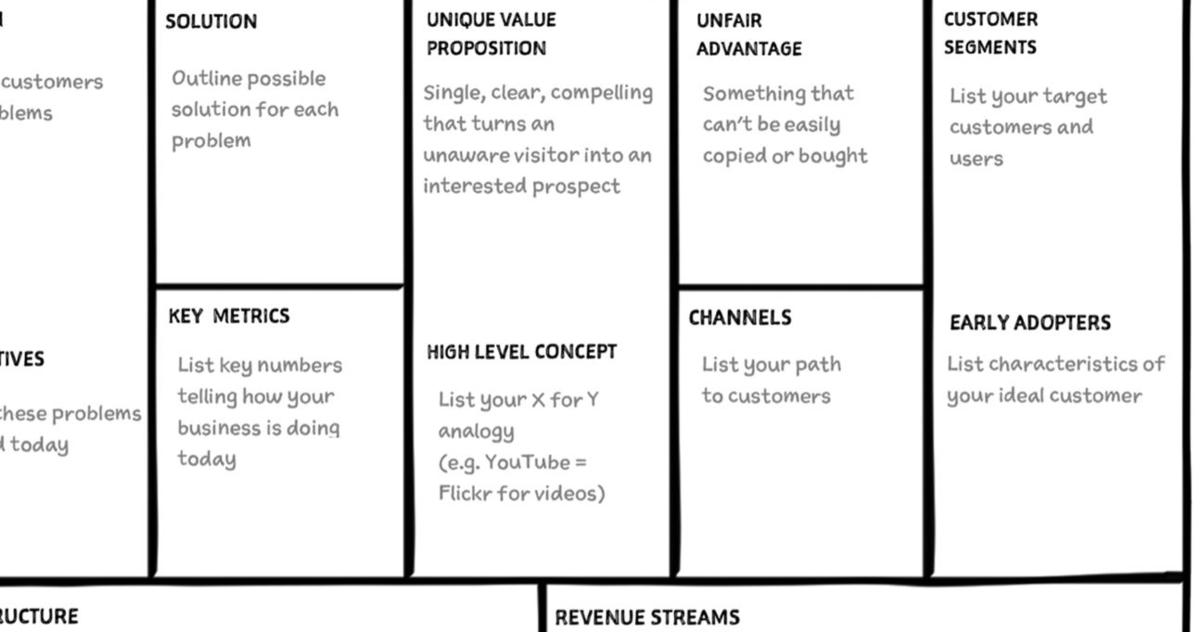 Adjacency Matrix: How to expand after PMFA simple workshop that evaluates new business ideas relative to your existing strengths – the key to expanding without overreaching. —May 2024 | 2,400 words.
 -
 Individual efficiency vs administrative efficiencyWhen to prioritize individual autonomy, and when to standardize for global optimization. —August 2024 | 2,200 words.
 -
 No wait, of course THAT is the single most important SaaS metricIs it LTV? Retention? NRR? Magic Number? Rule of 40? Or: Do you need to un-ask the question. —November 2024 | 1,000 words.
 -
 p-Hacking your A/B testsHalf of your “successful” A/B tests are false-positives. This is why, and how to fix it. —November 2024 | 2,000 words.
 -
 Ignoring the Wisdom of CrowdsDiscover how to leverage the wisdom of the crowds, but also when to avoid it, as it can easily lead you astray. —January 2009 | 1,100 words.
 -
 The Serengeti Plain: Fallacies that aren’t fallaciesA contrarian look at logical “fallacies” that maybe aren’t so illogical after all. —October 2024 | 2,100 words.
 -
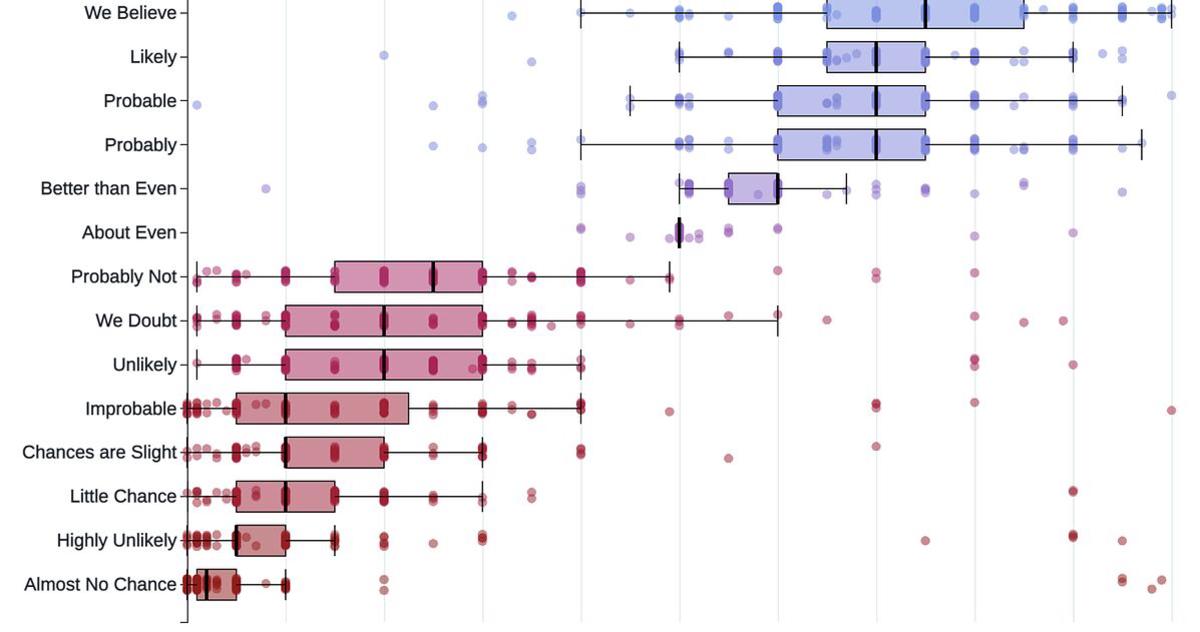 For probabilities, use Fermi numbers, not wordsDon’t use phrases like “unlikely” or “almost certainly.” Here’s real-world data showing why not, and what to do instead. —July 2023 | 1,000 words.
 -
 How much of success is luck?“You’re so lucky.” That’s true. There’s also decades of sacrifice, emotional turmoil, long hours, perseverance. So… is it lucky? —March 2009 | 1,100 words.
 -
 Quarterly strategic planning using the fairytale structureTraditional fairytale structure fits naturally in our brains, and thus can guide strategic problem-analysis, and a plan that everyone understands. —November 2023 | 4,100 words.
 -
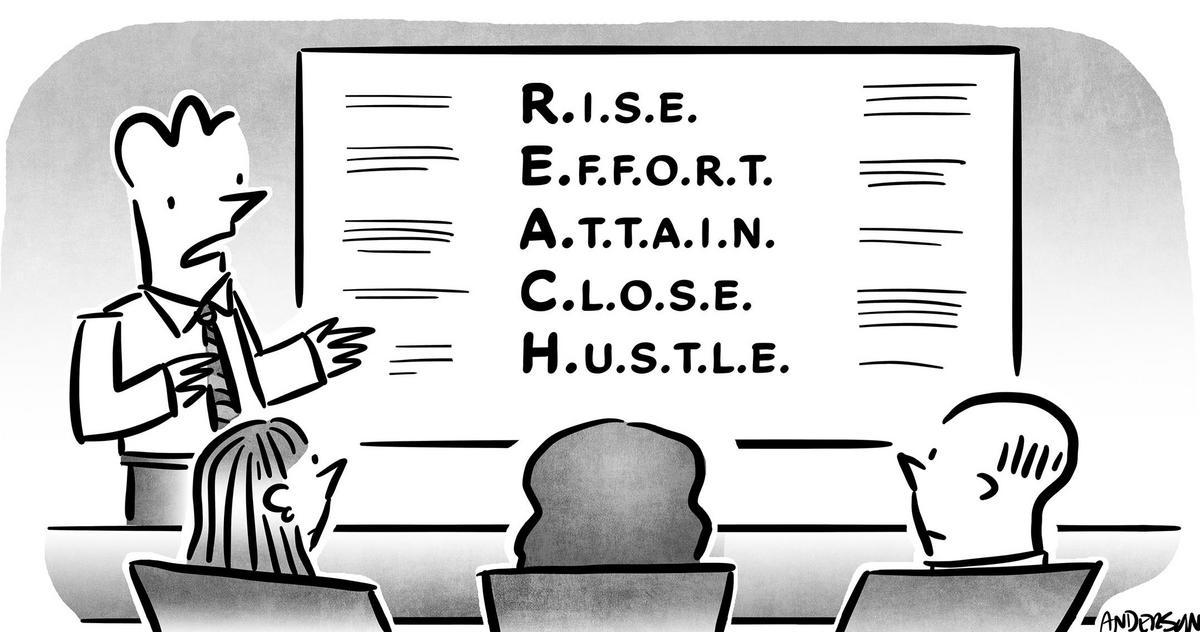 How many things should there be? (Hint: Not 10)If we happened to evolve with nine fingers, we would have “Top 9” lists. So, a “Top 10” list probably doesn’t have the correct number of things. —December 2023 | 400 words.
 -
 Metrics that cannot even be measured in retrospectSome of the most enticing, important metrics are impossible to measure, even after the fact. Here’s how to identify and avoid this trap. —October 2023 | 1,800 words.
 -
 Who's lying?A lesson all pilots know: How you must use multiple dials, employing different sources of energy, to report identical data, because some of it is always lying. —February 2022 | 800 words.
 -
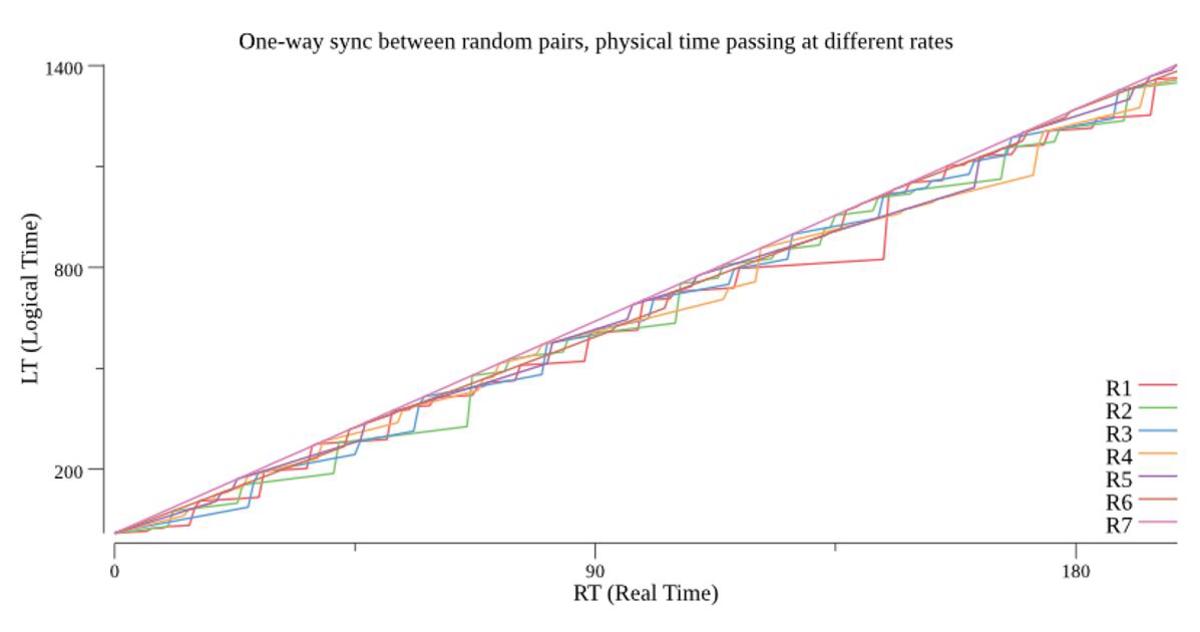 Distributed Logical TimeA simple, decentralized, scalable, constant-memory mechanism for independent replicas to record events in time, preserving the “happened-before” relation in almost all cases. —February 2019 | 3,100 words.
 -
 Laws of 10x found everywhereWe’re often told that some things are 10x better than others. Is that really how things work? If so, we’d better act like it. —December 2016 | 500 words.
 -
 How to measure the accuracy of forecastsHow do you assess forecasts, when the forecast is only a probability? It’s not just about accuracy. Let’s dive into the math. —June 2016 | 2,200 words.
 -
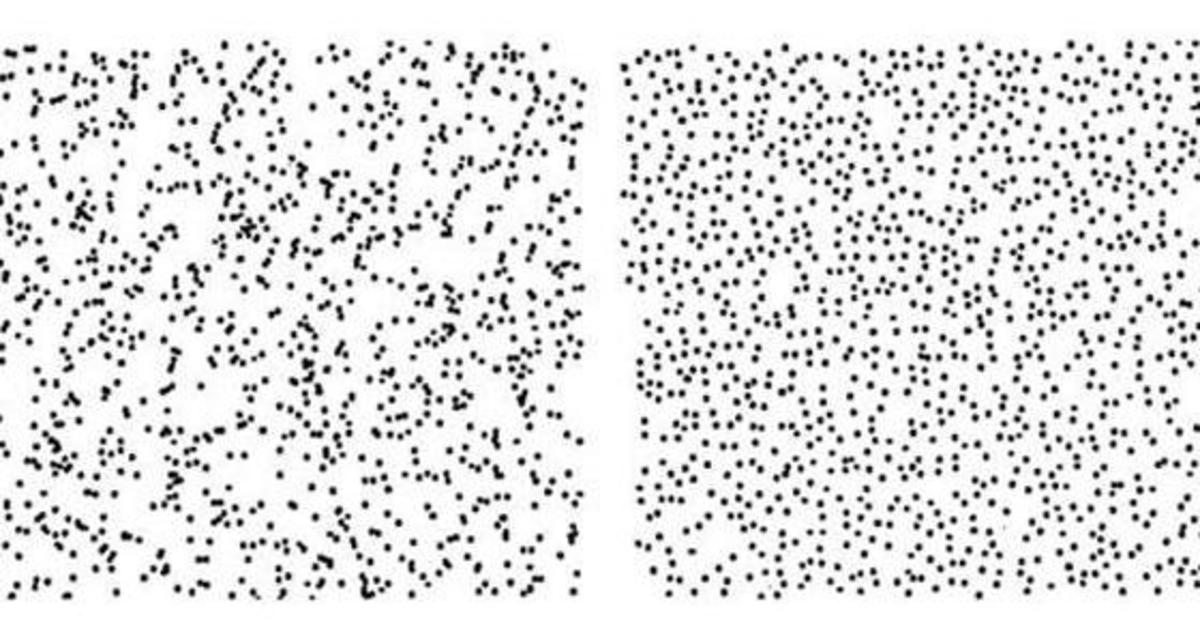 The Pattern-Seeking FallacyWe humans are terrible at discerning patterns from randomness, and in marketing data we unwittingly find “insights” that are actually noise. Here’s how to fix that. —June 2010 | 1,500 words.
 -
 Easy statistics for A/B testing and hamstersA/B testing tools often lie about whether something is “statistically significant.” Here’s an extremely simple, mathematically sound formula to compute it for yourself. —April 2009 | 1,500 words.


