 ePub (Kindle)
  Printable PDF
 “You didn’t do it right”

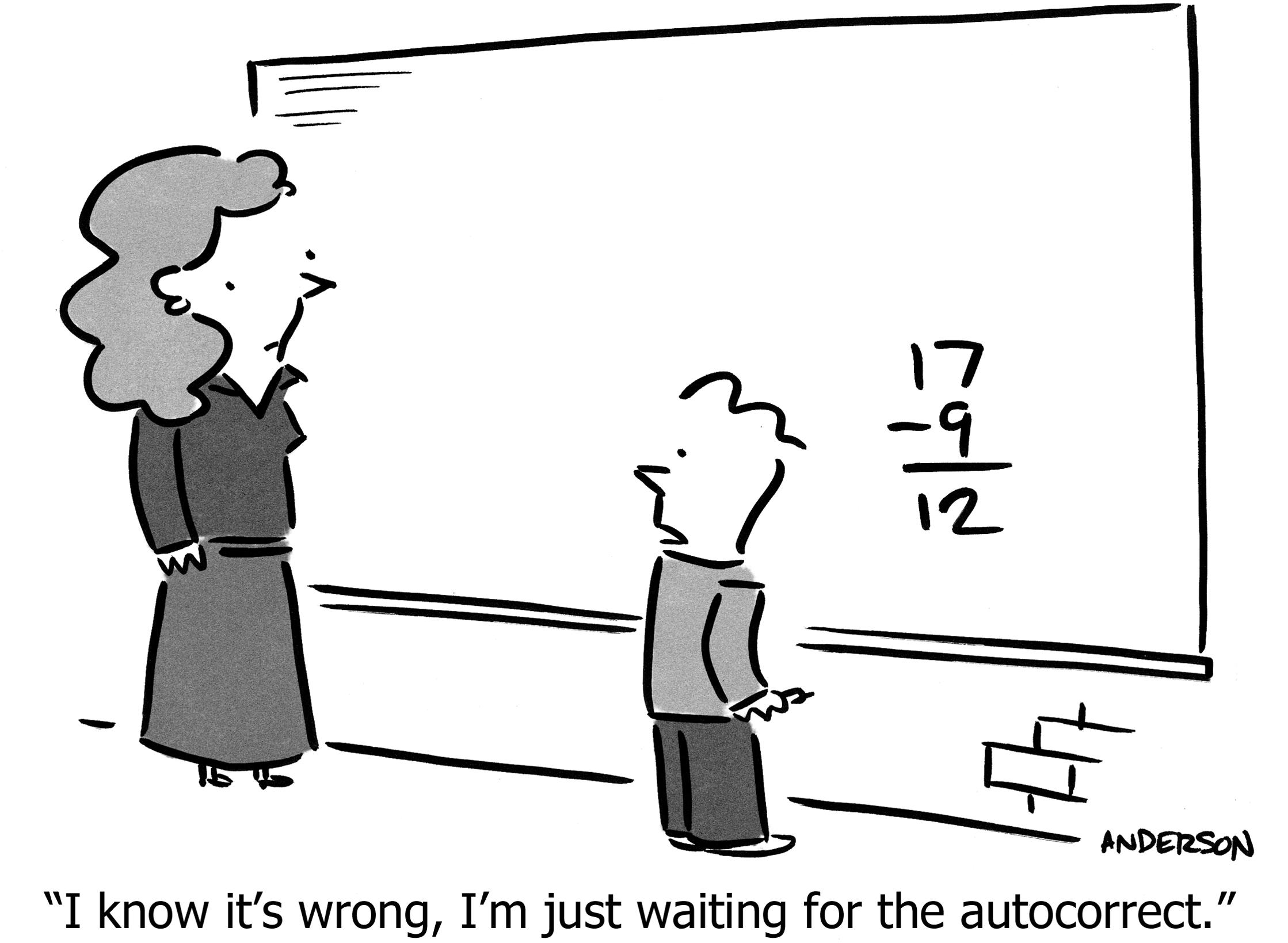
We tried to implement OKRs four separate times at WP Engine; sometimes inside a single team, sometimes for a department, sometimes across the entire company.
We failed every time.
Well, OK, let’s not avoid responsibility. I failed every time.
OKRs are a great framework. They originated at Intel, grew up in Google, and because tech companies are famous for thinking for themselves from first principles, OKRs were thoughtlessly copied into countless others, spawning several books, an endless stream of articles and podcasts and courses, and an industry of self-certified coaches.
We used all that stuff too. The managers read John Doerr’s Measure What Matters. We paid for training. We gave presentations, and we coached people through it individually, one on one.
So why didn’t it work? When I’d ask the experts, I was often told: “You didn’t do it right.”
But if it’s that hard to “do it right,” maybe it’s too hard to do it. Maybe “You didn’t do it right” is an inadequate explanation.
Should we conclude that OKRs don’t work? No, plenty of organizations swear by them.
So, what do we do?
Where Have I Heard This Before?
This happens with all frameworks.
Ron Jeffries, who helped create Scrum, has noticed this pattern for years and calls it “Dark Scrum”: “Scrum, done even fairly well, is a good framework. I’m quite sincere about that… Like every good idea, the reality sometimes falls short.”
I’ve heard “You didn’t do it right” about Scrum, even when those same teams succeeded with a different framework like Kanban.
And…
- You run jobs-to-be-done, everything checks out, but the company fails anyway. “Then you didn’t really run jobs-to-be-done correctly.”
- Aaron Ross successfully separated “prospecting” from “closing” at Salesforce; thousands of SaaS companies copied his pattern and but their SDR teams failed. The typical reasons: “You didn’t give them enough ramp. Your cadence was wrong. You didn’t hire properly. You didn’t manage properly.”
- Two years of content marketing, two hundred posts, organic traffic flat. You’re told “it’s not 10x content; you had no topical authority; you never built the links.” And the algorithm changed 493 times, so the excuses never run out.
- Zappos went all in on Holacracy; 18% of the workforce took a buyout and left, and a few years later the company reverted it. Many other companies tried it when Zappos tried it; all the ones I’m aware of also reverted. Of course HolacracyOne’s theory is that it wasn’t implemented correctly.
So, what’s the answer?
The Precision Fallacy
The “You didn’t do it right” retort rests on a fallacy: that the framework always works, so any failure must be the fault of the implementator.
I call this the “Precision Fallacy”: the belief that a more precise understanding or implementation would have worked, where the precision in question is undefined, or so intricate that it’s impossible to follow, and thus it’s an un-dis-provable excuse.
This last piece is its distinguishing property: No matter how many times the framework fails, no matter how sincere and capable the team who failed, the answer is always “You didn’t do it right,” not (for example) “This isn’t the right process for you” or “There are many circumstances where it’s the wrong framework to use.” Thus the framework can never be disproved—or even given boundaries for where it applies.
As in WP Engine: Four sincere, well-trained attempts and four failures, still aren’t evidence that OKRs are not universally applicable. A team who went on to implement a different framework isn’t evidence that the first framework wasn’t a fit for that team. Philosopher Karl Popper noticed people doing this in all walks of life; he watched his friends do it with the theories of Marx and Freud, and saw that “whatever happened always confirmed it.” Popper points out that any theory that cannot be disproved, regardless of evidence, isn’t a valid theory.
The truth is: There is context inside which the framework works, and outside which it doesn’t work. And I believe that not-working is the most common case.
The Solution: Try It On like Clothes
Not using a framework is like sewing a shirt from scratch. You don’t know how to make a shirt, so it’s going to be a mess. In fact, right now it’s a mess; that’s why you were looking for a framework.
A framework is like buying a shirt off the rack: it’s shirt-shaped, and at least it fits some people well. Maybe 15% of the time it fits perfectly and you’re done. Good! You win. (That’s also what happened with the well-known successes that the framework experts cite.)
The rest of the time the shirt fits OK, but it’s wrong in three places. That’s the normal case, and why wouldn’t it be? So the answer is to tailor it: to ask what you liked and didn’t like, and make adjustments. Maybe it cannot be made to work—sometimes the fit is so wrong it cannot be iterated into the perfect fit—in which case you’ve accumulated new experiences that will help you select a different framework with more fidelity.
Frameworks, like people and products, must match the culture, the people, the other processes, and the collective desires of the organization. Even the creators and proponents of the framework typically don’t know the conditions under which it will succeed.
If you stand in front of the whole company and announce: “We’re switching to OKRs,” you create instant detractors, and the rollout will probably just fail.
Instead: “One team is going to try this for a quarter and find out what we like and what we don’t.” That’s an experiment.
This isn’t just a communication trick to get naysayers to at least try it. It’s how you actually try it on, make alterations, or put it back and try something else.
What Actually Worked at WP Engine

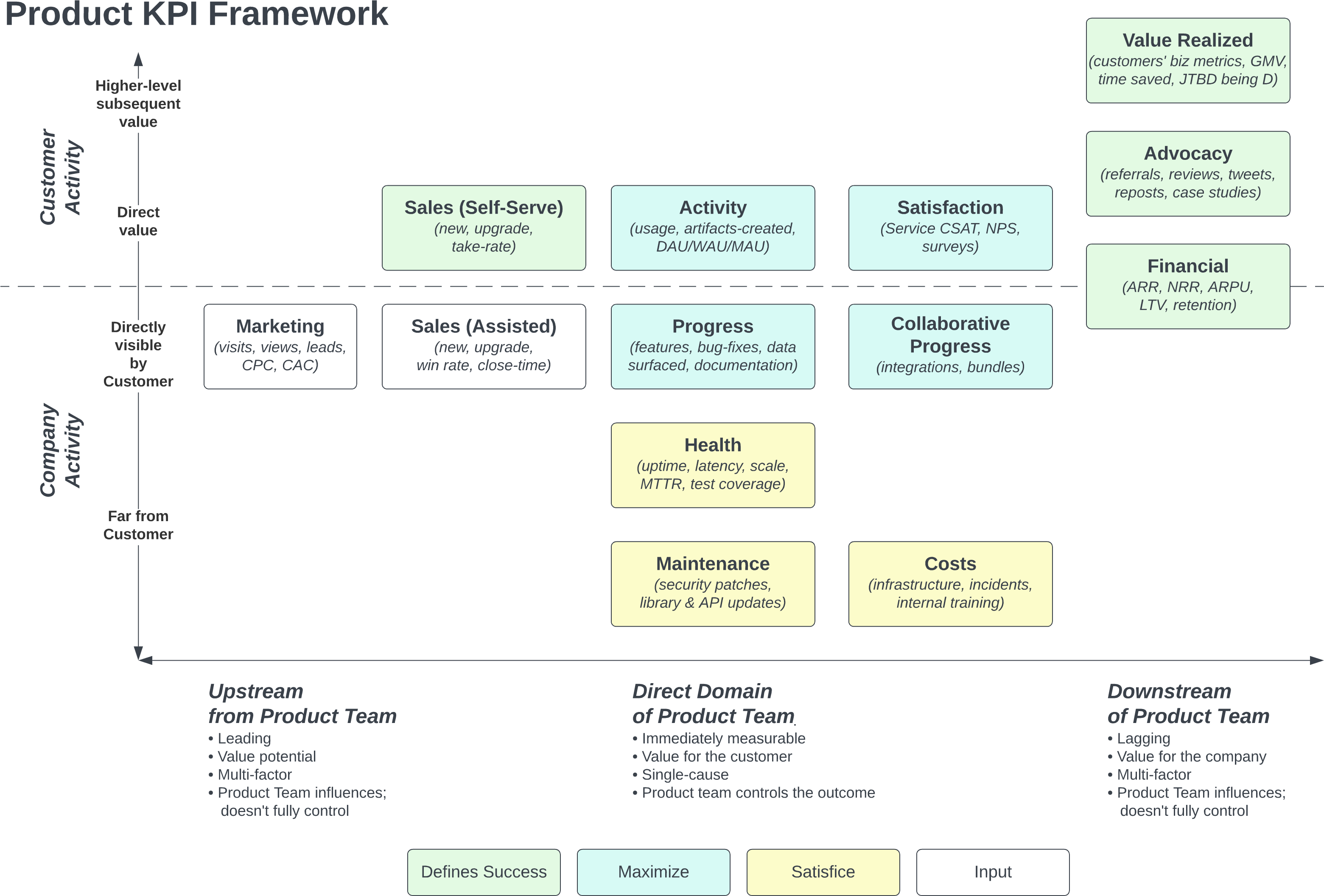
OKRs never worked for us;. What did work in the teams I ran was a metrics framework that I created and tuned through feedback.
It worked for reasons that have nothing to do with it being “better than OKRs.” Our folks happened to like it because it held them accountable in a way they wanted to be held accountable. And—just as importantly—it did not try to hold them accountable for outcomes they influenced but didn’t completely control.
That last bit was the unlock. As I wrote in that metrics article: “Whenever management requires a KPI that the team doesn’t believe in, doesn’t respect, doesn’t care about, the team always wins.”
It started with one team. I said: Pick one metric—anywhere on the chart; it genuinely does not matter where. Attach a goal to it; a very loose one is fine. The only real requirement was that you personally wanted it: not because a manager asked for it, not even because it’s “good for the company,” but because you believed we are not doing our jobs if this isn’t true, or we’re failing at our craft if we don’t accomplish this. Something connected to personal pride.
Then they tracked that one metric for a quarter. After that, they asked what other metric belonged—not ten more metrics, just one or two. They grew outward from what they had already accepted.
But Will That Work for You?
That worked for my teams at WP Engine. Will it work for you?
You already know the answer: Maybe, or maybe some iteration of it, or maybe something else entirely.
Just try something on.
https://longform.asmartbear.com/you-didnt-do-it-right/
© 2007-2026 Jason Cohen
 @asmartbear
Click here for AI Skills that help implement some of these ideas.


